
Supporting Mental Health: Advocacy for Firefighters

Firefighters are often seen as heroes. They bravely face flames and danger to protect lives and property. However, behind the uniform lies a reality that many do not see. Firefighters face immense stress and trauma. This can take a toll on their mental health. It is crucial to advocate for their mental well-being.
In this blog post, we will explore the mental health challenges firefighters face. We will also discuss the importance of advocacy and support systems. By understanding these issues, we can help create a healthier environment for our firefighters.
The Reality of Firefighting
Firefighting is not just a job; it is a calling. Firefighters respond to emergencies that can be life-threatening. They witness traumatic events, including accidents, injuries, and loss of life. This exposure can lead to mental health issues such as PTSD, anxiety, and depression.
Many firefighters feel the pressure to appear strong. They may think that showing vulnerability is a sign of weakness. This mindset can prevent them from seeking help. It is essential to break this stigma and encourage open conversations about mental health.
Understanding Mental Health Challenges
Firefighters face unique mental health challenges. Here are some common issues they may experience:
Post-Traumatic Stress Disorder (PTSD): Many firefighters experience PTSD after traumatic incidents. Symptoms can include flashbacks, nightmares, and severe anxiety.
Depression: The weight of their experiences can lead to feelings of sadness and hopelessness. This can affect their personal and professional lives.
Substance Abuse: Some firefighters may turn to alcohol or drugs as a coping mechanism. This can lead to addiction and further mental health issues.
Burnout: The demanding nature of the job can lead to physical and emotional exhaustion. Burnout can affect their performance and relationships.
Recognizing these challenges is the first step toward providing support.
The Importance of Advocacy
Advocacy plays a vital role in supporting firefighters' mental health. Here are some key reasons why advocacy is essential:
Raising Awareness: Advocacy helps raise awareness about mental health issues in firefighting. It educates the public and fellow firefighters about the importance of mental well-being.
Creating Support Systems: Advocates can help establish support systems within fire departments. This can include counseling services, peer support groups, and mental health training.
Encouraging Open Dialogue: Advocacy encourages open conversations about mental health. This can help reduce stigma and make it easier for firefighters to seek help.
Policy Changes: Advocates can push for policy changes that prioritize mental health. This can lead to better resources and support for firefighters.
Building Community: Advocacy fosters a sense of community among firefighters. It helps them realize they are not alone in their struggles.
Practical Steps for Support
Supporting firefighters' mental health requires action. Here are some practical steps that can be taken:
1. Promote Mental Health Training
Fire departments should provide mental health training for all personnel. This training can help firefighters recognize signs of mental health issues in themselves and their colleagues. It can also teach coping strategies and stress management techniques.
2. Establish Peer Support Programs
Peer support programs can be incredibly beneficial. These programs allow firefighters to connect with others who understand their experiences. Having someone to talk to can make a significant difference.
3. Provide Access to Counseling Services
Fire departments should offer access to counseling services. This can include individual therapy, group therapy, or workshops focused on mental health. Making these services available can encourage firefighters to seek help.
4. Encourage Work-Life Balance
Promoting a healthy work-life balance is crucial. Fire departments can implement policies that allow for time off and mental health days. This can help prevent burnout and improve overall well-being.
5. Foster a Supportive Culture
Creating a supportive culture within fire departments is essential. Leaders should encourage open discussions about mental health. They should also model healthy behaviors and prioritize their own mental well-being.
Real-Life Examples of Advocacy
Many organizations and individuals are making strides in advocating for firefighters' mental health. Here are a few notable examples:
The Firefighter Behavioral Health Alliance (FBHA): This organization focuses on mental health awareness and support for firefighters. They provide resources, training, and support for those in need.
The National Fallen Firefighters Foundation (NFFF): NFFF offers programs that address mental health issues among firefighters. They provide resources for families and departments to support their members.
Local Fire Departments: Many local fire departments have started their own mental health initiatives. They may host workshops, provide counseling services, or create peer support groups.
These examples show that advocacy is making a difference. However, there is still much work to be done.
The Role of the Community
The community plays a vital role in supporting firefighters' mental health. Here are some ways the community can help:
Show Appreciation: A simple thank you can go a long way. Showing appreciation for firefighters can boost their morale and remind them that their work is valued.
Support Local Initiatives: Many communities have programs aimed at supporting firefighters. Getting involved in these initiatives can help raise awareness and provide resources.
Educate Others: Share information about the mental health challenges firefighters face. Educating others can help reduce stigma and promote understanding.
Advocate for Resources: Community members can advocate for mental health resources for firefighters. This can include pushing for funding for counseling services or support programs.
Moving Forward Together
Supporting the mental health of firefighters is a collective effort. It requires the commitment of fire departments, communities, and individuals. By working together, we can create a supportive environment for our firefighters.
Firefighters put their lives on the line for us every day. It is our responsibility to ensure they have the support they need. By advocating for mental health, we can help them thrive both on and off the job.
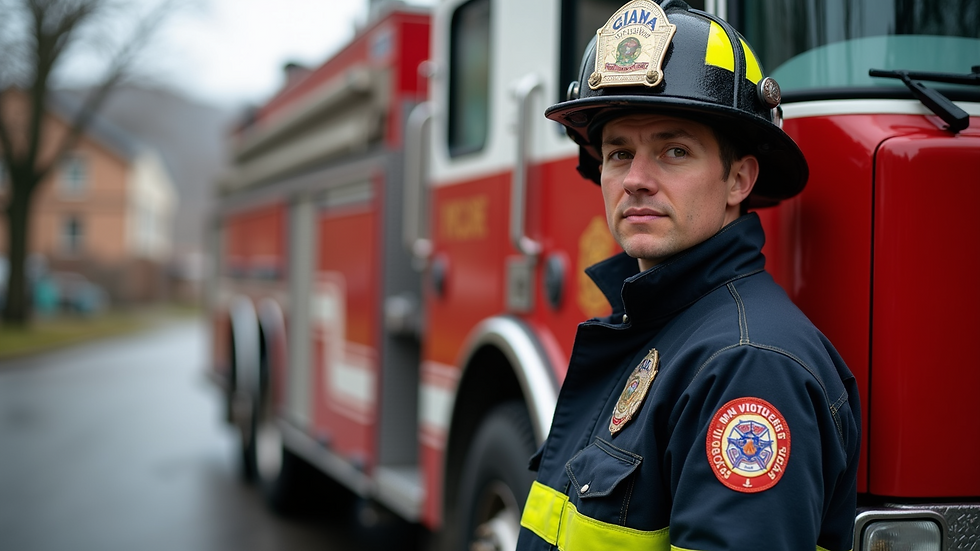
In conclusion, the journey toward better mental health for firefighters is ongoing. By raising awareness, providing support, and fostering open dialogue, we can make a significant impact. Let us stand together in advocating for the mental well-being of those who protect us. Together, we can ensure that our firefighters receive the care and support they deserve.


Comments